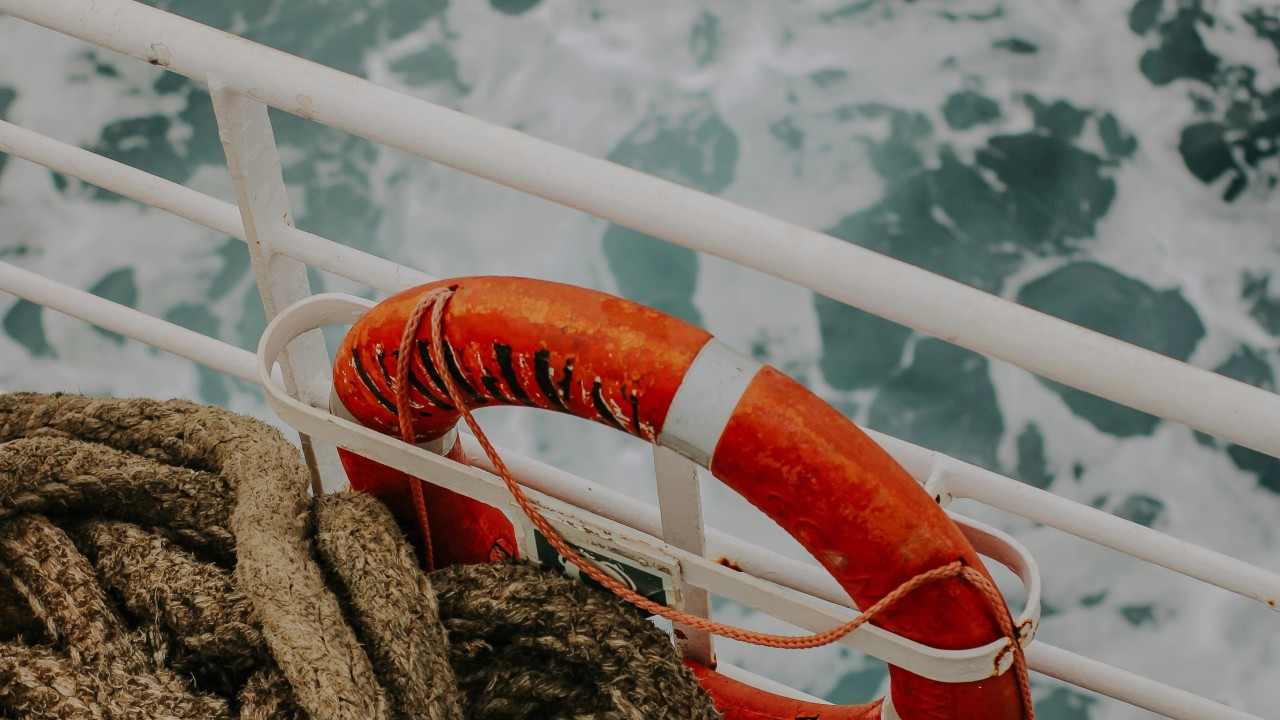
The energy transition feels like a ship at sea: storms ahead, strong currents beneath, and a crew that must row together.
This summer, I observed simple but meaningful moments. I wrote about the places where the wave of transition ripples over the rocks: where rooftop water heaters spread out like tourist beach towels under the scorching sun, to a toy lost at sea, and old man who had lost the joy of cooking. These are simple stories, yet they are the hull of the ship. If it cracks, no number of gigawatts will keep us afloat.
And here is the anchor of my work: finance is never neutral. It is the tide. It can lift communities, or it can swamp them.
That is why my recent Energ’ Ethic Podcast conversations felt like a logbook of this voyage.
Junior Mbangala’s episode captured why this matters. He did not reduce energy to electrons. He called it hope. Hope looks like a neighbour who shares knowledge; a network where “each one, teach one” is not a slogan but a structure. His research shows communities as living systems, not checklists: rhizomes that spread in many directions at once. That is how participation really moves: through trust, relationships, and recognition, not only through tariffs and meters. People heard themselves in that story; the episode travelled far.
The financial story is changing too. With ACCE, communities and cooperatives are turning kWh and know-how into serious investment cases. Small rooftops become robust portfolios; ethical banks and revolving funds join the table; solidarity shares open the door for those who cannot put down large sums. Inside ACCE, around €20 million has been committed and ~€90 million mobilised. Across the wider ecosystem, community-finance schemes have channelled well over €738 million in recent years. The message from my conversation with Chris Vrettos was simple and urgent: we need all hands on deck. Decarbonisation is not a side quest; it is Europe’s competitiveness, and citizens are central to both.
If that feels obvious today, it did not a few years ago. When I spoke with Stanislas d’Herbemont, he described the “risk premium” communities pay simply for being democratic, ownership seen as dilution, participation misread as instability. That misunderstanding pushed costs up and projects out. It also explains why public finance matters: national Social Climate Fund plans and guarantee windows via public banks can reduce the cost of capital for standardised community portfolios. Translate that into plainer language and you get this: lower rates, more rooftops, fairer bills, stronger local economies.
This is where policy and practice meet. EU law recognises energy communities (Renewable Energy Communities under the renewables directive; Citizen Energy Communities under the electricity directive). The task now is making those definitions habitable: contracts people understand, tariffs that reward flexibility without penalising the vulnerable, cooling and renovation that protect carers, older adults, and disabled people, and standard files that mean a cooperative does not need to reinvent the wheel for each project.
I keep returning to the same image from the summer: shutters drawn against the heat, a fan pushing warm air, a bill on the kitchen table. The transition fails if that room is an afterthought. It succeeds when that room is the starting point.
On 7 October in Brussels, I will moderate the ACCE closing event. We will gather the crew, look at the maps, and decide the next leg of the journey: how to turn citizen finance from a flotilla of pilots into the fleet Europe needs. We will also re-broadcast my conversation with Stan, a reminder of why this voyage began.
Here is what I want you to take with you: trust is infrastructure. Without it, no ship reaches shore. With it, communities steer, citizens invest, and the transition sails.
The sea is rough. The stakes are high. And yes, we need all hands on deck.